Gender Equality in Rural Areas
I have spent the last ten years assisting and empowering rural women. As a rural woman myself, living and working in a small village in the heart of the Pyrenees, I understand first-hand the challenges we face, but also our strengths and opportunities. To support rural women, I have created an interactive map featuring over 500 initiatives led by rural women from around the world. I have also conducted numerous courses, workshops and talks tailored towards rural women.
Empowerment of Women in Rural Areas: Workshops for Rural Women
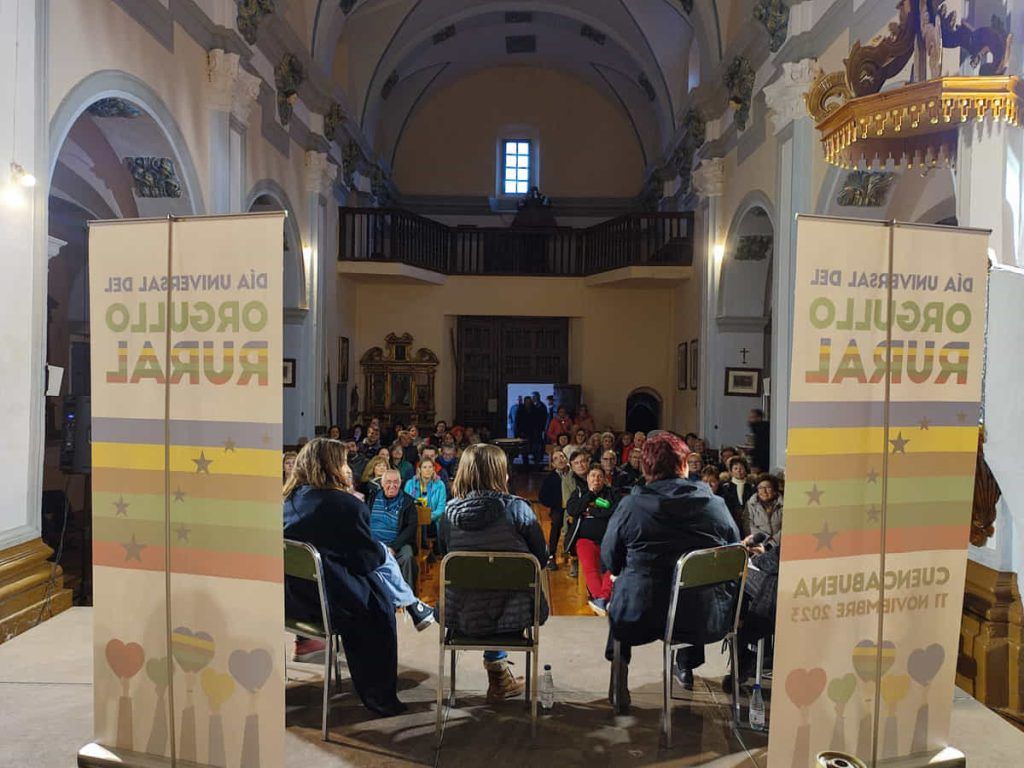
Through our talks, workshops and courses, we contribute to highlighting the work that women do, and have always done, in our villages. We work with them to identify the challenges they face, both as women and as rural residents, grounded in their geographical area and socio-economic characteristics. Additionally, we showcase initiatives driven by women from their geographical region, as well as from. other parts of the world to inspire and motivate them. We map and raise awareness about initiatives they are familiar with and identify projects (both business and social) that they could develop in their villages.
Initiatives Led by Women in Rural Areas
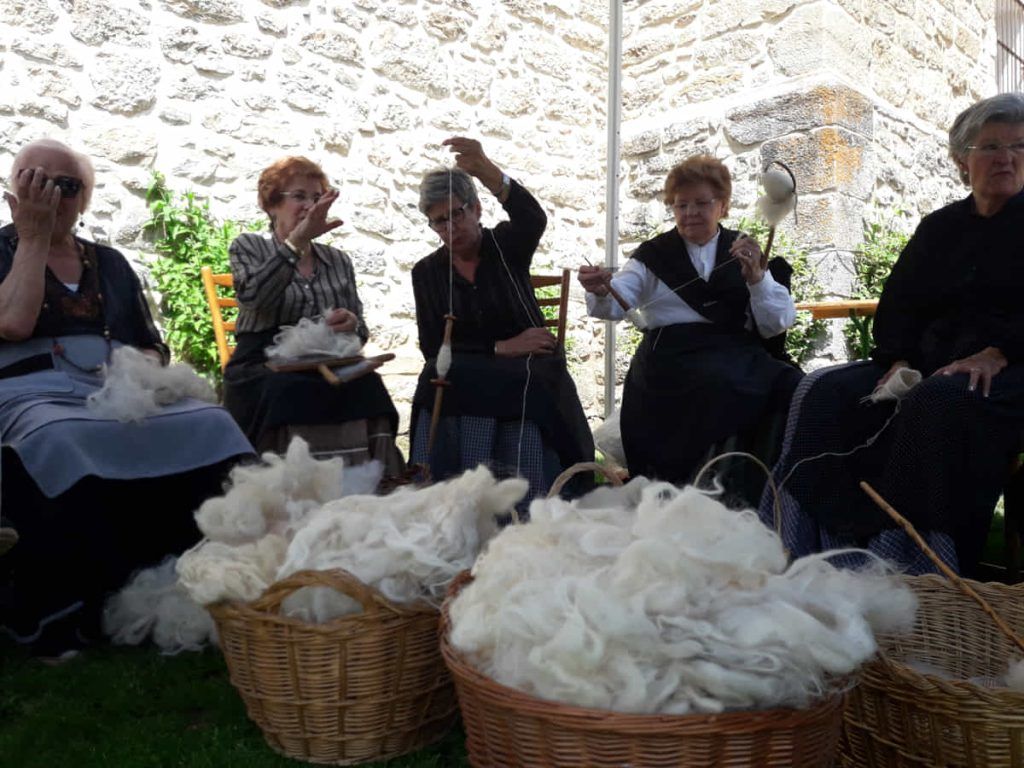
On our map, we have brought together 500 different types of initiatives led by rural women from Spain and other parts of the world. It includes businesses, associations, networks and any kind of project driven by at least 50% women in localities with fewer than 20,000 inhabitants. The goal of this map is to showcase all the work that women do in rural areas, to create networks among women in the same sector and/or geographical area and encourage other women to take the leap to develop and highlight their projects
Frequently Asked Questions About Gender Equality in Rural Areas
What is gender equality in rural areas, and why is it important?
Gender equality in rural areas refers to ensuring that rural women have access to the same opportunities, resources and rights as men and people living in cities. It is important because it promotes sustainable development, improves the quality of life and contributes to the economic and social empowerment of rural women, thus helping to sustain population in rural areas.
What common challenges do rural women often face, and how can they overcome them?
Some common challenges include lack of access to infrastructure, caregiving services, healthcare, economic opportunities and participation in decision-making. Women’s empowerment programmes, the development of inclusive policies and strengthening rural infrastructure can help overcome these obstacles.
What is the contribution of women's empowerment to rural development?
By increasing women’s participation in decision-making, improving their living conditions and promoting gender equity, the empowerment of rural women plays a crucial role in rural development. This results in more equitable and sustainable development in rural areas.
How can Rural Knowledge Transfer help promote gender equality in rural areas?
At Rural Knowledge Transfer, we offer specialised consultancy services to identify and address gender gaps in rural areas. We assist in developing inclusive programmes and policies, provide training and resources, and collaborate with rural communities to promote women’s empowerment.